Engineering Data Management
Streamline data integration, enhance operational efficiency and ensure compliance across the organization

What is Engineering Data Management?
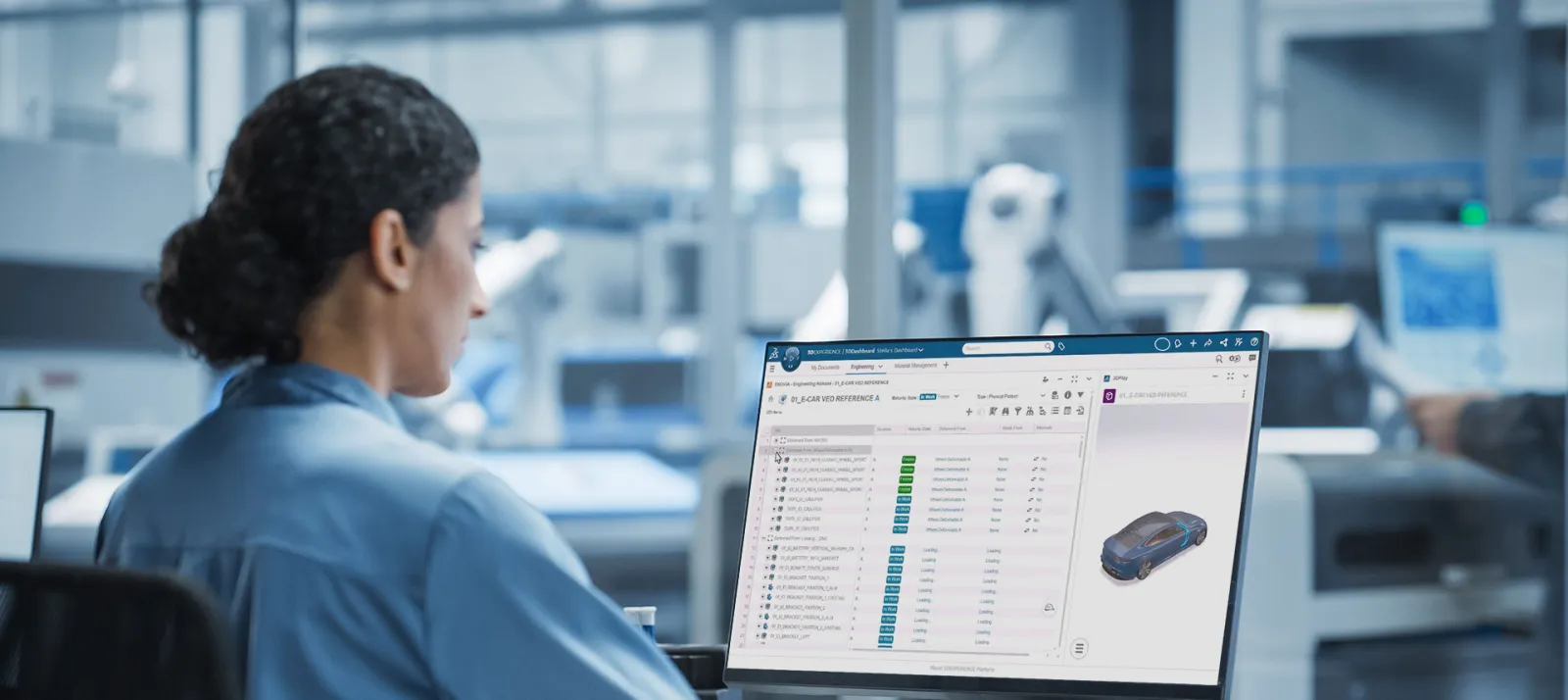
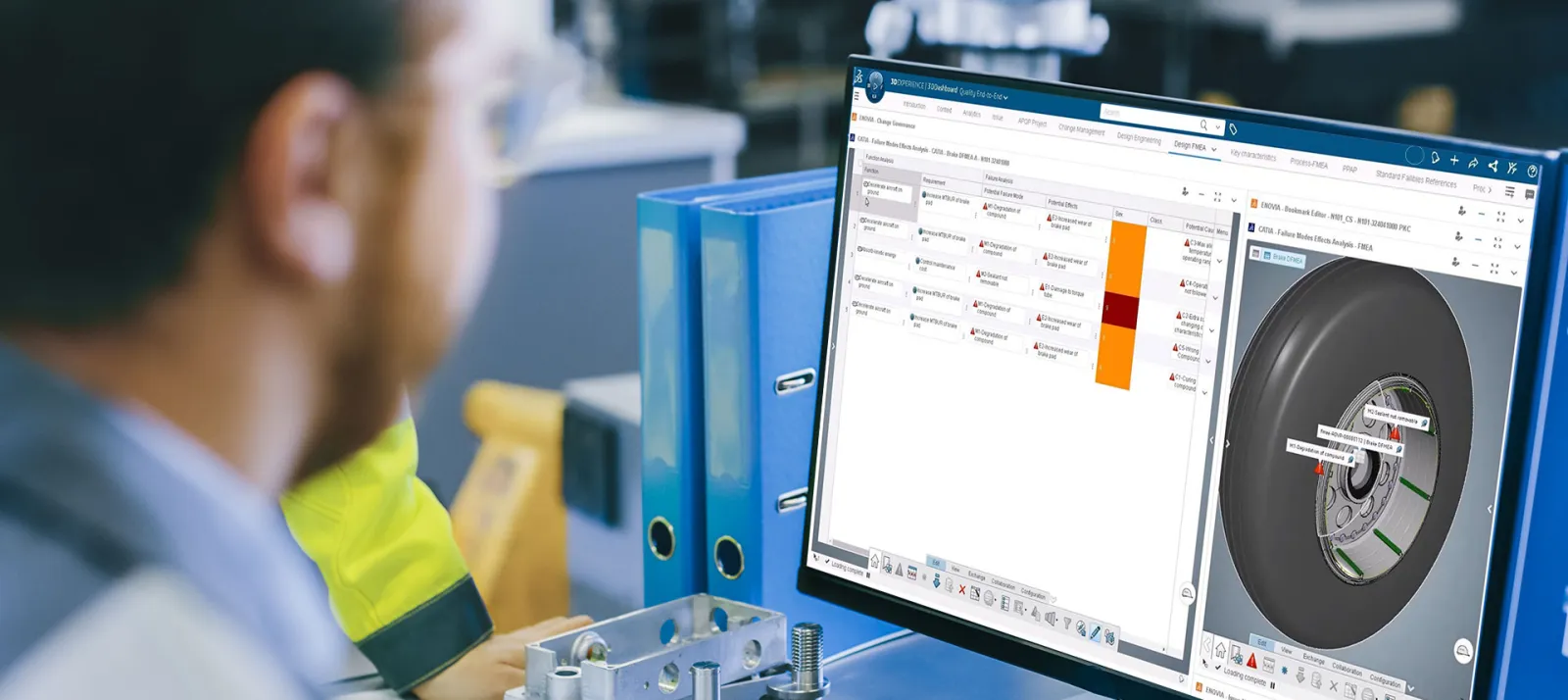
Engineering Data Management (EDM) forms the foundation for organizations seeking to effectively utilize critical engineering information across disciplines.
Key Benefits of Engineering Data Management
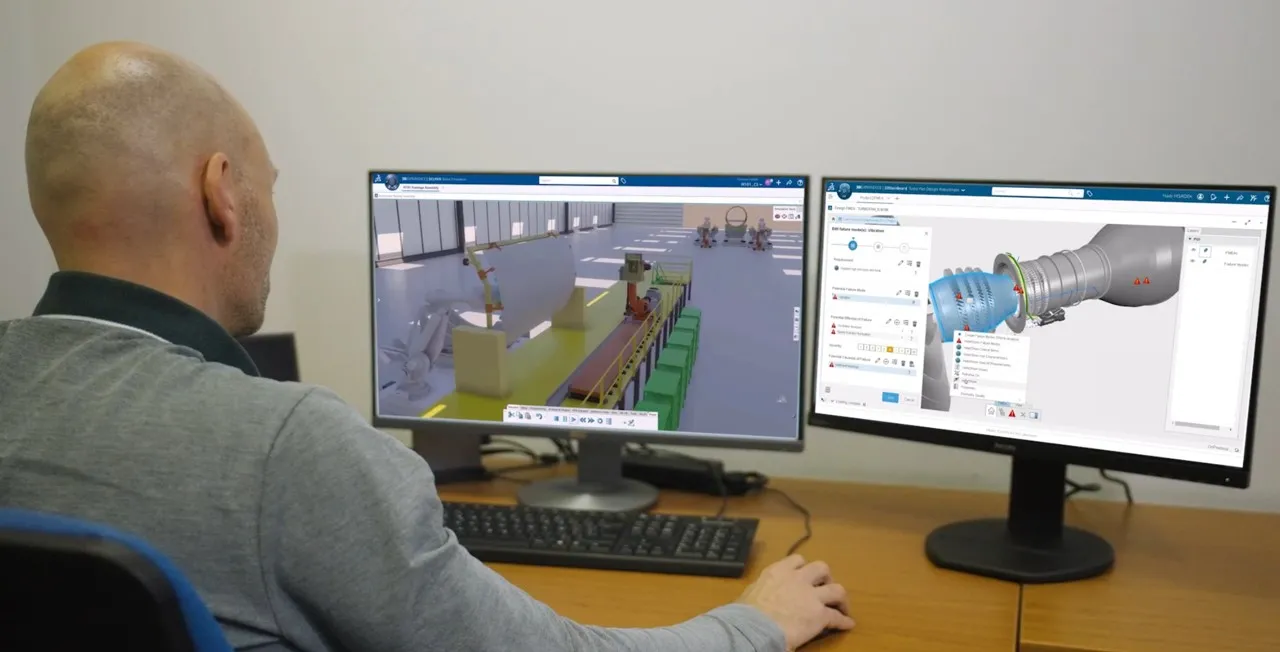
- Data IntegrationEDM provides seamless integration across multiple data sources, enabling a unified view of up-to-date information across the organization.
- ScalabilityDesigned to grow with organizational needs, EDM systems support increasing volumes of data without compromising performance or reliability.
- Advanced AnalyticsBuilt-in analytical tools allow organizations to process complex datasets, generate actionable insights and predict trends precisely.
- Data SecurityRobust security measures, including encryption and role-based access, ensure data remains protected from unauthorized access and breaches.
- Customizable WorkflowsEDM systems offer flexible workflow configurations to align with specific operational processes and unique business requirements.
Top Business Values of Engineering Data Management
- Centralized Database AccessEngineering data management systems consolidate all engineering data into a single, accessible repository, enabling teams to quickly locate and utilize critical information.
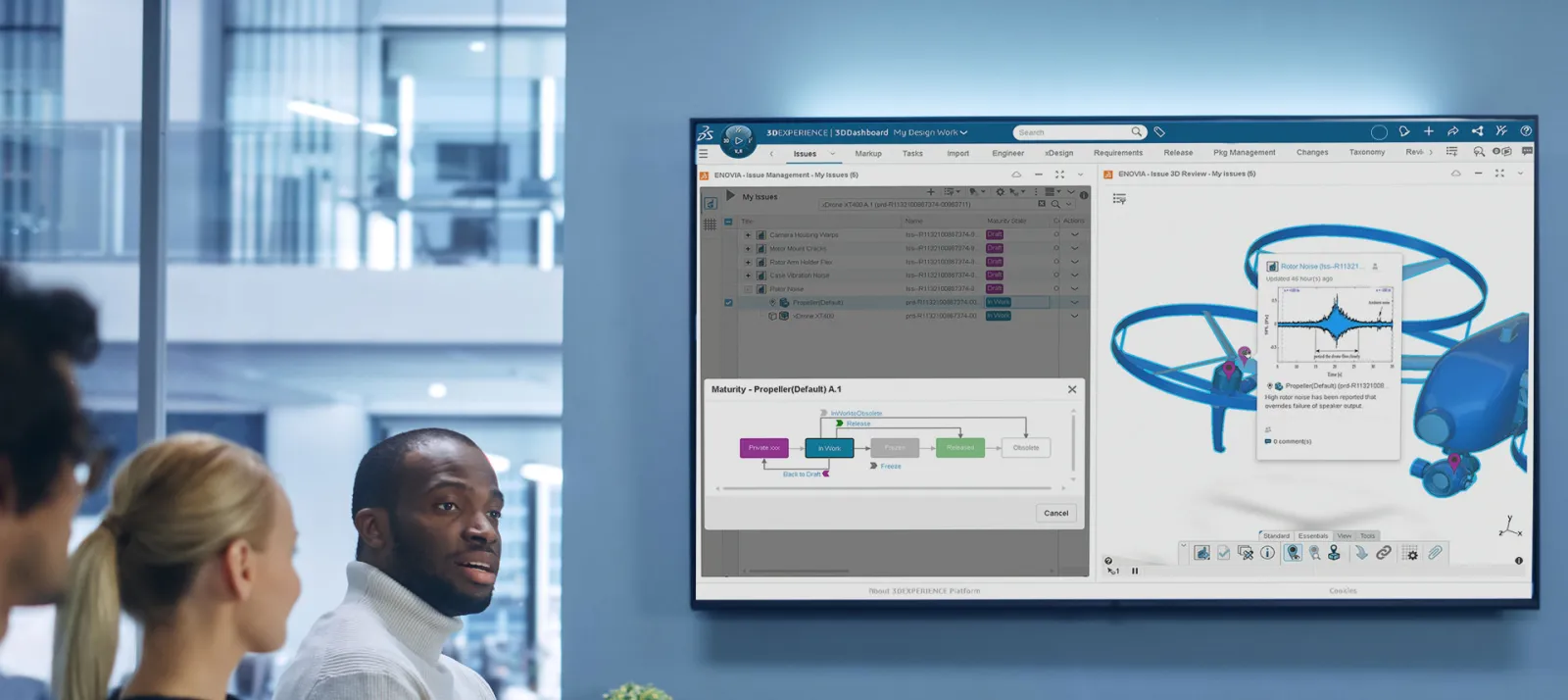
- Enhanced CollaborationThese systems improve collaboration by fostering data-sharing capabilities across departments and ensuring that all stakeholders work with the most up-to-date information.
- Design and Process OptimizationStreamlined data management minimizes redundant effort and supports data-driven decision-making, leading to more efficient design and production processes.
- Regulatory Compliance AssuranceRobust tracking and storage of engineering data help maintain compliance with industry standards and regulations, reducing risk and ensuring operational integrity.
Transform Operational Performance with Engineering Data Management
What you buy
3DEXPERIENCE platform roles
A role gives one user the apps for their job, connected on the platform, on-cloud or on-premises.
What does your team do?
Where will it run?
Pick one to explore more.
Product Data Management
BOM Management and Product Release Management
Configuration Management
Classification Management
Lifecycle Management
Product Cost Management
Data integration
Which role fits your team? .
Engineering Data Management Application Across Industries
 Aerospace & DefenseBoost aerospace efficiency and compliance with digital solutions that streamline quality control and reduce operational risk.
 Architecture, Engineering & ConstructionEnhance planning and development through virtual twins, advanced simulation and sustainable urban design.
 High-TechFast track high-tech product development while, improving efficiency, scalability and competitiveness.
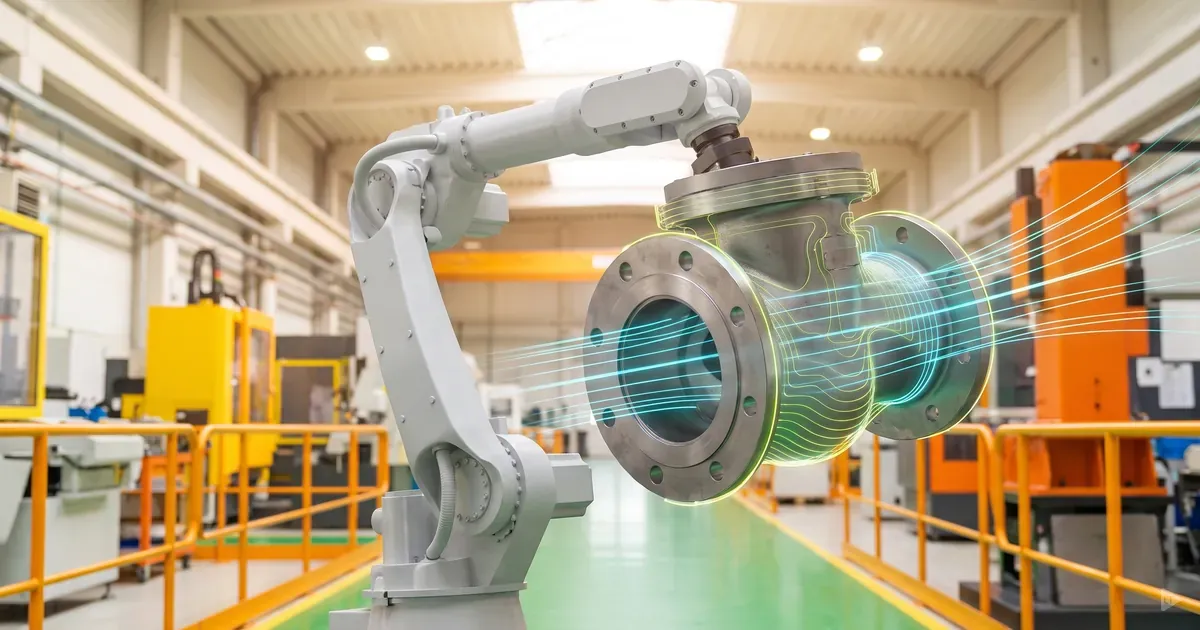 Industrial EquipmentRevolutionize engineering processes with cutting-edge solutions for the industrial equipment sector.
 Infrastructure, Energy & MaterialsDrive sustainable infrastructure growth and efficiency with virtual twins that optimize asset performance across the lifecycle
 Life Sciences & HealthcareDeliver personalized healthcare solutions faster, leveraging data-driven insights to accelerate innovation and deliver optimum patient outcomes.
 Transportation & MobilityStreamline vehicle design and innovation through digital collaboration, cutting development cycles and boosting efficiency.
It was essential to choose a state-of-the-art solution as it will be something we rely on for the next 10 years, or even longer. Dassault Systèmes’ platform was the most scalable and would give us the most scope for the future.
Read the story on 3ds.com
Frequently asked questions
What is the role of Engineering Data Management in modern businesses?
Engineering Data Management (EDM) is a systematic approach to organizing, storing and controlling technical data throughout a product's lifecycle.
What are the key stages of the EDM process?
Set the Foundation with Governance & PoliciesEstablish clear standards and security protocols to align data management with business goals and regulatory requirements.
Training on ENOVIA Engineering Data Management
All ENOVIA courses
Explore the Collaborative Designer for CATIA V5 Role
This course is based on the Power By approach, whereby Designers on all versions and solutions (CATIA V5, V6) or SOLIDWORKS learn how to…

Explore the 3D Product Architect Role
In this module, you will learn the key functionalities of the 3D Product Architect role. You will also learn how to create and modify a…

Get Started with the Collaborative Designer for CATIA V5
This course will teach you how to use the XCAD Design Management app for the CATIA V5 Connector. You will learn how to share and manage…
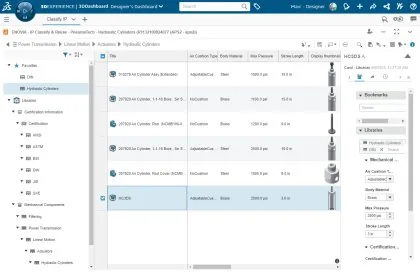
Explore the Classification Manager Role
In this module, you will learn how to organize and manage libraries efficiently. You will also learn how to store, manage and access…

Perform as a Classification Manager
In this module, you will learn how to organize and manage libraries efficiently. You will also learn how to store, manage and access…