
SIMULIASimulation
Metal Inelasticity in Abaqus
Properly modeling the inelastic behavior of materials is very important when evaluating the performance of a design in critical loading situations. This course provides a brief overview of the inelastic behavior observed in metals and the basic concepts of plasticity theory. The course shows Abaqus users how to model various forms of metal plasticity using a combination of examples and workshops to demonstrate the material models and the type of experimental data necessary to calibrate them. The assumptions and limitations of the various plasticity and creep models are also discussed.
- Level
- Advanced
- Length
- 12 hours 15 minutes
- Product
- Abaqus
- Delivery
- Instructor-led or eLearning
What you will learn
- Metals that show inelastic work hardening
- The Bauschinger effect
- "Ratchetting" and relaxation of the mean stress under cyclic loading
- Strain-rate-dependent inelastic behavior
- Temperature-dependent plasticity
- Heat generated by plastic deformation
- Ductile failure of metallic materials
- Plastic behavior in porous and brittle (cast iron) metals
- Creep behavior in metals
Topics covered
- Overview - Metal Inelasticity in Abaqus10 min
- 1 - Introduction45 min
- 2 - Ductile Metal Response2 hour
- 3 - Classical Metal Plasticity in Abaqus3 hour
- 4 - Johnson-Cook Plasticity30 min
- 5 - Metal Failure Models2 hour
- 6 - Creep and Swelling1 hour 45 min
- 7 - Two-Layer Viscoplasticity30 min
- 8 - Gray Cast Iron Plasticity1 hour
- 9 - Time Integration30 min
- Appendices3 hour 40 min
Who it is for
Simulation Analysts
Prerequisites
Introduction to Abaqus or equivalent and experience using Abaqus.
Related courses
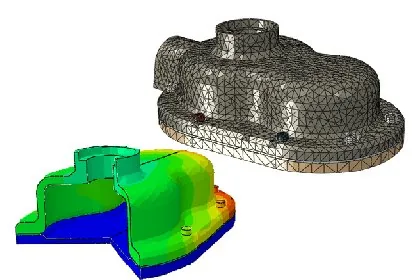
SIMULIAAbaqusFundamental
Introduction to Abaqus
27 hours 15 minutesView course
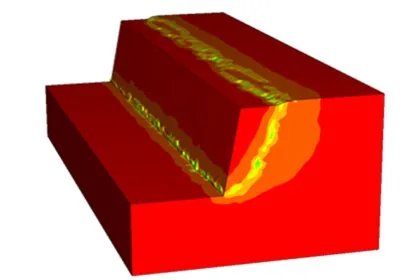
SIMULIAAbaqusAdvanced
Analysis of Geotechnical Problems with Abaqus
11 hours 30 minutesView course
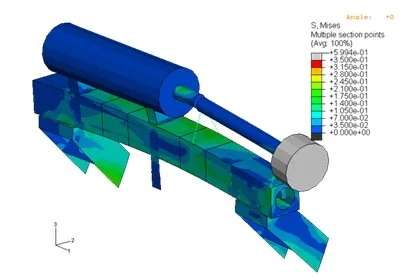
SIMULIAAbaqusAdvanced
Linear Dynamics with Abaqus
16 hours 25 minutesView course
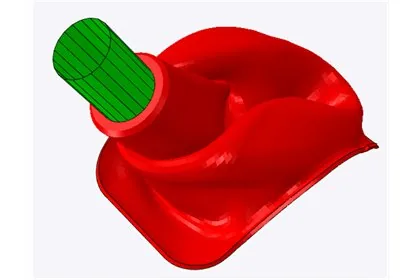
SIMULIAAbaqusAdvanced
Modeling Rubber and Viscoelasticity with Abaqus
12 hours 45 minutesView course
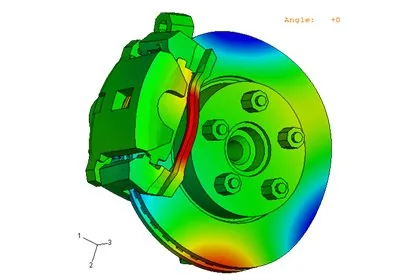
SIMULIAAbaqusAdvanced
Automotive NVH with Abaqus
20 hoursView course
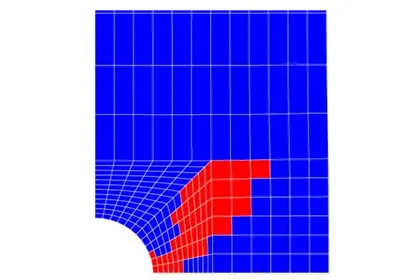
SIMULIAAbaqusAdvanced
Writing User Subroutines with Abaqus
13 hoursView course
SIMULIAAbaqusAdvanced
Analysis of Composite Materials with Abaqus
21 hours 20 minutesView course
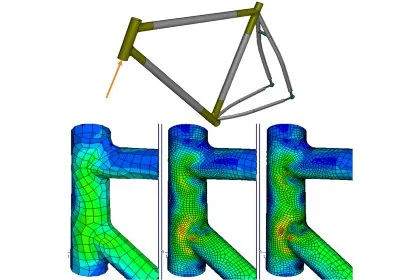
SIMULIAAbaqusAdvanced
Adaptive Remeshing in Abaqus/Standard
6 hours 15 minutesView course