Machining
Program any CNC machine from the model of the part, then run that program against a model of the machine that will cut it.

One software
Scalable from CAM to CAD/CAM to the virtual twin
Prismatic parts, programmed from the model itself
Holes, pockets and faces are recognized on the model and turned into operations. A revised part updates its own program.
The virtual twin
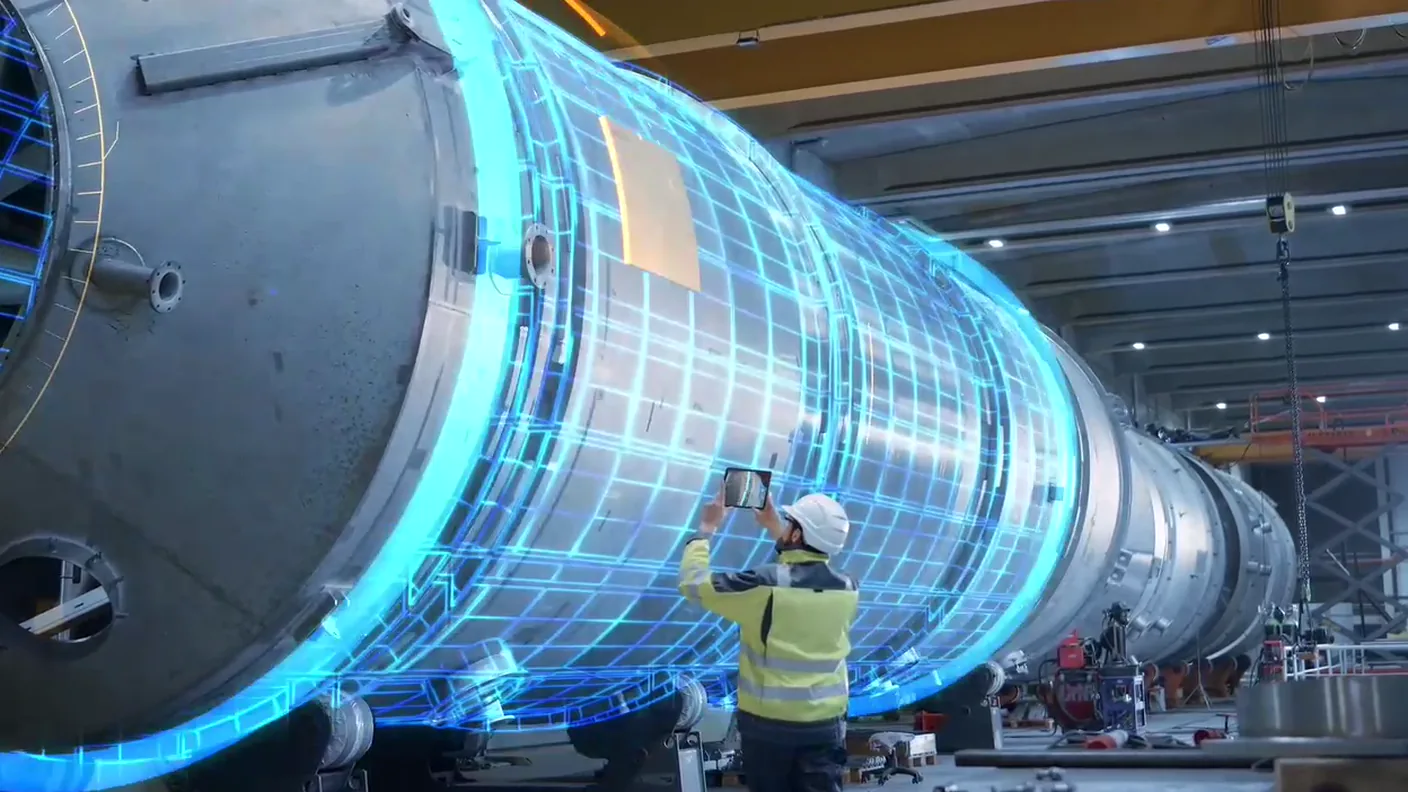
Your machine is in the software
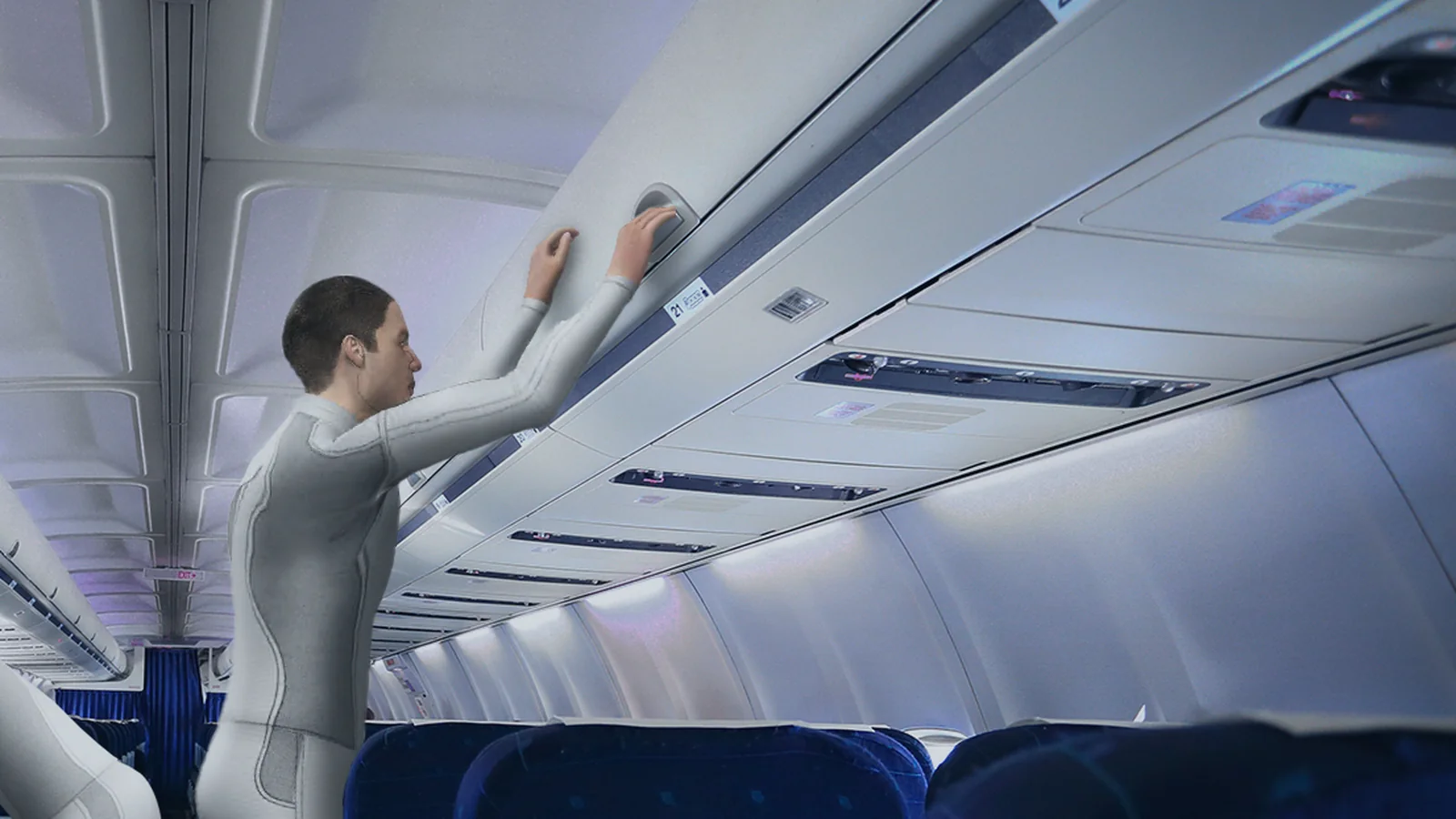
Your machine, with its kinematics, its travel limits, its head, its table, its tool changer and the fixtures on it. The program runs against that model, and the faults it finds are the faults the machine would have.
- 01Collisions and near missesTool, holder, spindle, fixture, part and machine body, checked against each other through the cut.
- 02Axis travel and reachA B axis asked to swing past its limit shows as a fault on screen.
- 03Material removalWhat is cut, what is left, and where the tool is running in air.
Before it reaches the machine
Integrated ISO code simulation
A toolpath is what the programmer draws. ISO code is what the controller reads, once the post-processor has translated it. The platform simulates that posted code against an emulator of your controller, for milling, turning and mill-turn.
- 01Checked in the same sessionThe code is checked where it was written, in one place.
- 02One interfaceThe programmer stays in the software they already use.
- 03Or the verifier you haveA one-click export to VERICUT, NCSIMUL and Eureka.
What you buy
3DEXPERIENCE platform roles
A role gives one user the apps for their job. 13 roles cover machining on the 3DEXPERIENCE platform.
What do you cut?
What would you like to do in DELMIA?
Pick one to explore more.
Program NC machines
Define shop floor resources
Define know-how
Simulate NC machines
Which role fits your team? .
Frequently asked questions
Why is the post-processor quoted separately?
A program is written once against the model of the part. The file the machine reads comes from a post-processor built for that machine on that controller, because every controller reads a different file.
Which post-processing comes included?
On cloud, Dassault Systèmes describe the embedded generator as covering machines up to 5 axis positioned. That is an axis count, and your controller is a separate question, so we check each machine and controller pair against it before quoting.
How do I know which role I need?
By what you cut. Each programming role is sold on its own and they overlap in what they cover, so the role we quote follows the most demanding work in your shop. The quote guide works it out from your answers and shows you why.
Do we need a modeling role for every programmer?
You need at least one, and one covers the whole shop. Machine & Tooling Designer (EMR) or Shop Floor Equipment Engineer (EQE) authors the 3D machines with their kinematics. Every programmer then uses and simulates those machines with their own programming role.
We have CATIA V5 NC. Do we start again?
Your programs, tools and machines come across. Under maintenance there is a migration route that costs considerably less than buying the same roles new, and the two run in parallel while you move. Send us the license list and we will map it seat by seat.
Training on DELMIA Machining
All DELMIA courses
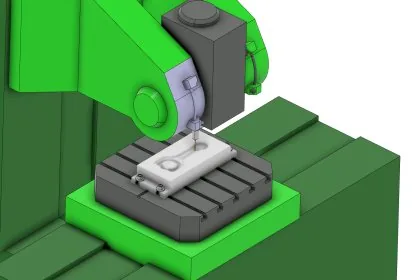
Practice DELMIA Prismatic Machining
This module will teach you how to use the common functionalities available in the machining apps of DELMIA. It will also teach you the…
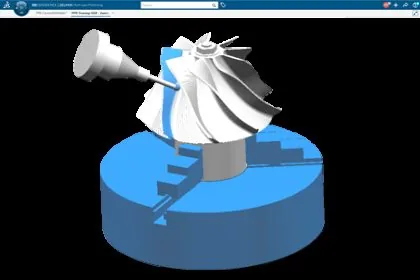
Practice DELMIA Milling Machining
This course will teach you how to define and manage NC programs dedicated to machining parts that are designed with surface or solid…
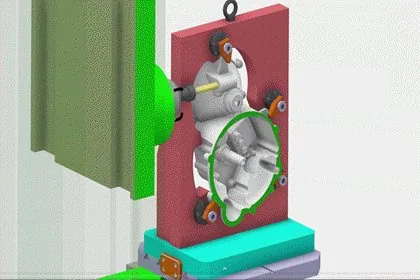
Practice DELMIA Multi-Axis Machining
This module will teach you how to use the common functionalities available in the machining apps of DELMIA. You will learn how to define…
DELMIA V5 to 3DEXPERIENCE® Machining Transition
This module will teach you what are the differences between the Machining PPR Structure of CATIA V5 and DELMIA 3DEXPERIENCE® and how to…