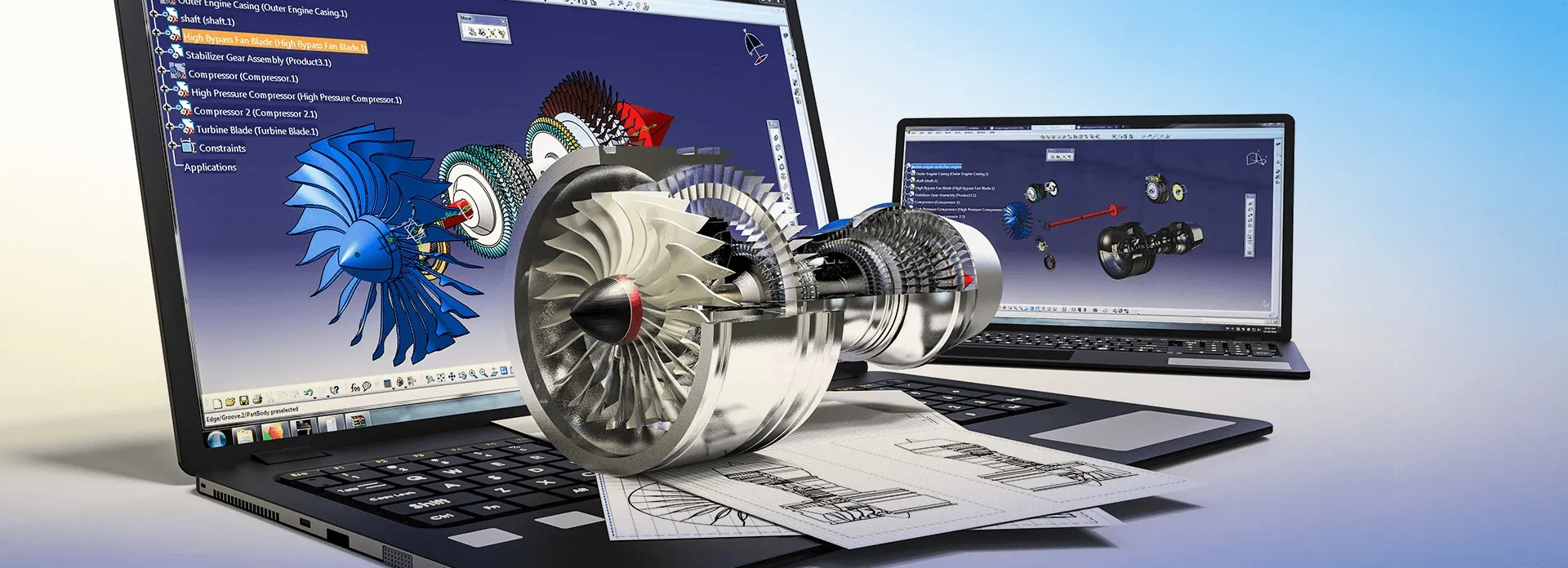
CATIA V5
A computer-aided design (CAD) software for design excellence
CATIA V5 Overview
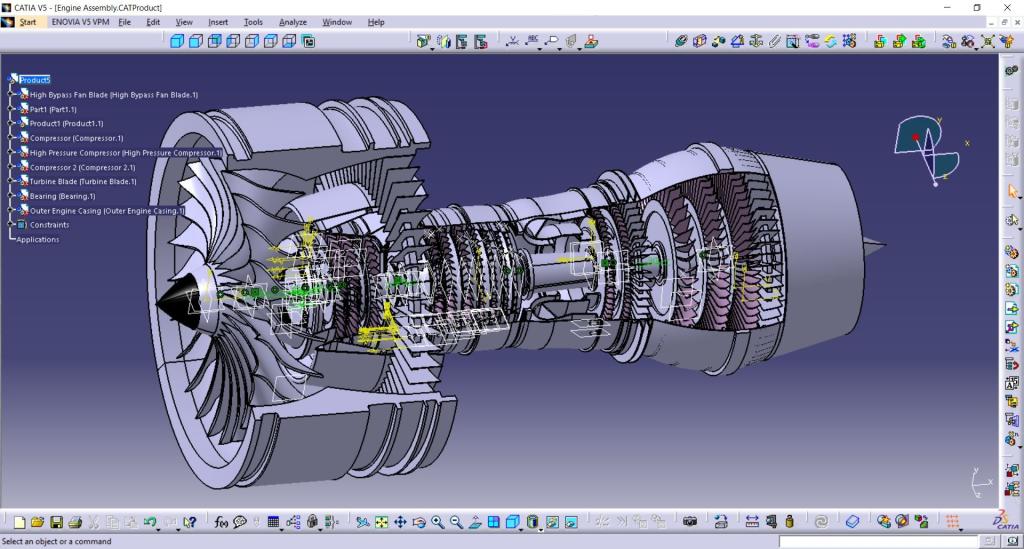
CATIA is a mechanical design software. It is a feature-based, parametric solid modeling design tool that takes advantage of the easy-to-learn Windows graphical user interface. You can create fully associative 3D solid models, with or without constraints, while using automatic or user-defined relations to capture the design intent. CATIA acts as the backbone for concept, product definition, manufacturing, simulation, and after-market information found within various lifecycle stages of a product.
Key Capabilities
- Part DesignDesign precise 3D mechanical parts with an intuitive and flexible user interface.
- Assembly DesignDesign assemblies with an intuitive and flexible user interface.
- Interactive DraftingA new generation product that addresses 2D design and drawing production requirements.
- Generative DraftingProvides users with powerful functionalities to generate drawings from 3D parts and assembly definitions.
- 2D Layout for 3D DesignDesign 3D models in an advanced 2D drafting-like production environment.
- SketcherTools to sketch precise and rapid 2D profiles.
- Wireframe and SurfaceCreate wireframe construction elements during preliminary design and enrich existing 3D mechanical part design with wireframe and basic surface features.
Frequently Asked Questions
Who uses CATIA V5?
CATIA V5 is used by mechanical designers, product designers, and manufacturing specialists across a wide range of industries. It is particularly common in large organizations involved in automotive and aerospace development, where advanced geometry and high levels of accuracy are required.
Is CATIA V5 still relevant today?
CATIA V5 remains highly relevant and widely used, especially within companies that have established engineering workflows and large amounts of legacy data. Its stability, reliability, and proven capabilities make it a dependable solution for ongoing and long-term projects.
Can CATIA V5 be used for surface modeling?
CATIA V5 is well known for its strong surface modeling capabilities and is widely used for creating complex, high-quality surfaces. It is especially effective in industries where aesthetic and aerodynamic surfaces are important, such as automotive body design and aerospace structures.
Can CATIA V5 handle large assemblies?
CATIA V5 is designed to manage large and complex assemblies efficiently. It provides tools that help users organize, visualize, and work with extensive product structures while maintaining performance, making it suitable for large-scale engineering projects.
Which one should I use: CATIA V5 or 3DEXPERIENCE® CATIA?
It depends on your needs: CATIA V5 is generally recommended for customers that already have an established V5 enviornment, require a stable and standalone CAD, and do not have heavily collaboration-driven workflows. Meanwhile, 3DEXPERIENCE® CATIA is recommneded if you want a conneted engineering enviornment with PLM, CAD, CAE, and CAM, require collaboration across teams, suppliers, and locations. For new implementations, 3DEXPERIENCE® is generally the recommended direction.
Resources
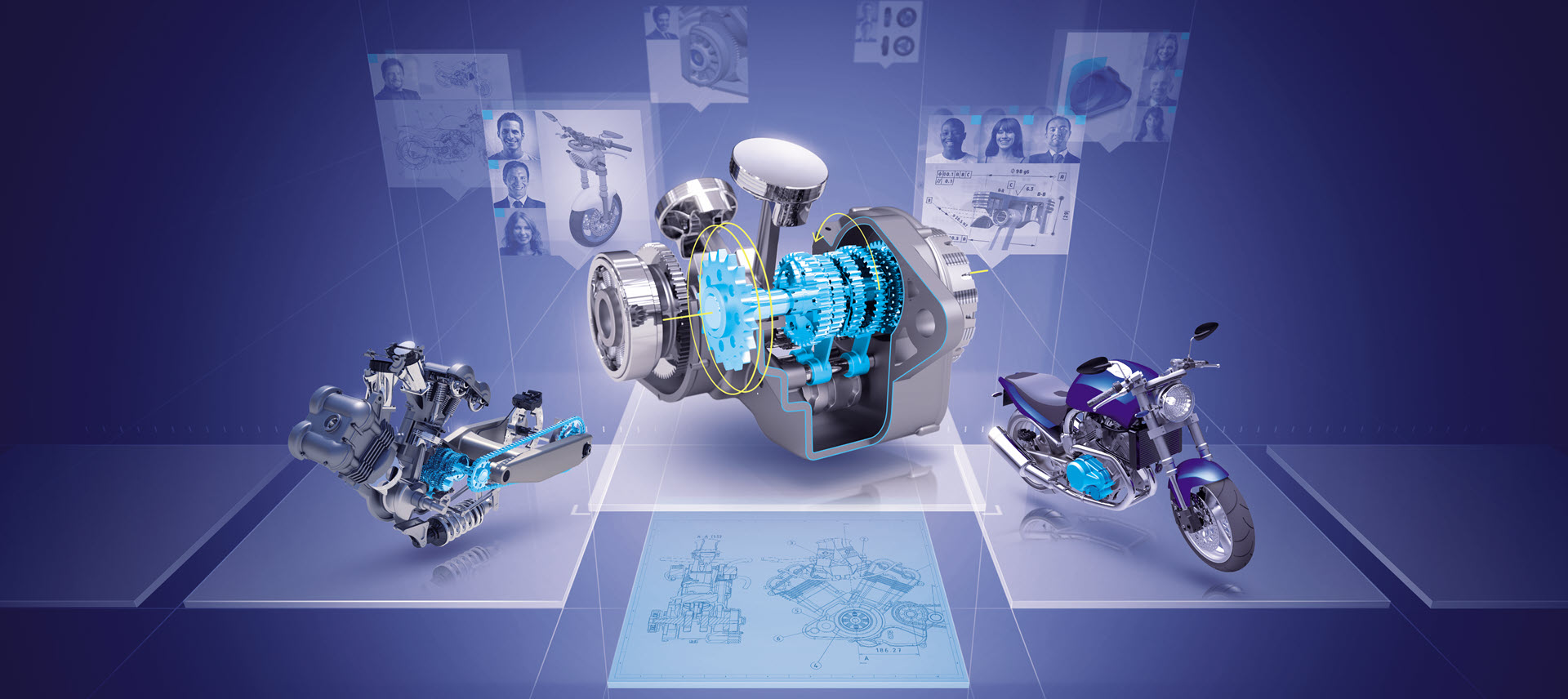
The CATIA Portfolio brochure
The CATIA design and engineering apps, grouped by the work each one supports.
Read more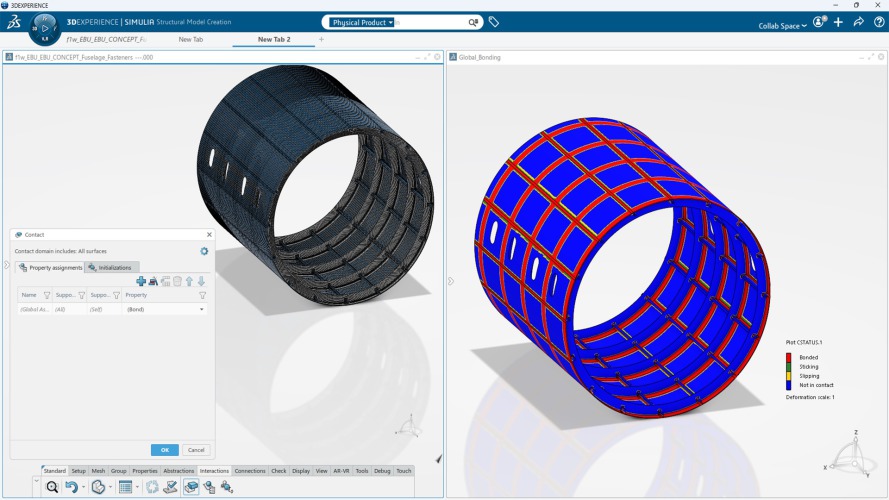
Composites Don't Fail at Random: Your Simulation Should Know Why
A practical look at how CATIA composite design and Abaqus structural simulation work as a unified system on the 3DEXPERIENCE platform
Read more
Unable to install V5-6R20XX
Troubleshoot V5-6R20XX installation issues with step-by-step solutions to resolve errors and ensure a smooth setup on your system.
Read more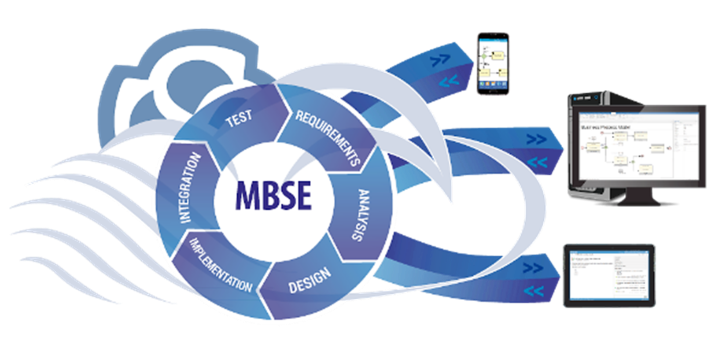
Unlock the Power of Model-Based Systems Engineering with CATIA Magic
How CATIA Magic applies model-based systems engineering to keep requirements, architecture and behavior consistent across a complex project.
Read moreTraining on CATIA V5
Official Dassault Systèmes courses, taught by certified instructors in person, at your offices or online.